
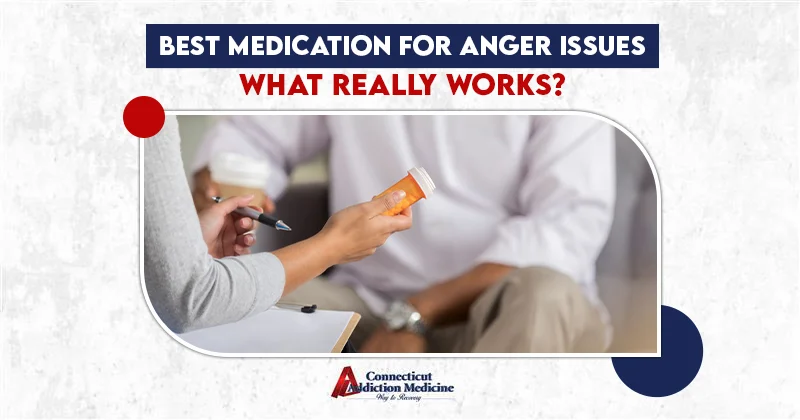
Anger is a natural human emotion. If it becomes uncontrollable or harmful, it can destroy relationships, careers, and health.
Many people struggle with irritability, outbursts, and difficulty calming down.
They may avoid seeking help or taking medication for anger issues because they believe anger is just a personality “trait.”
The reality is, excessive anger can relate to several mental health conditions that may include: Depression, anxiety, bipolar disorder, personality disorders, etc.
At CT Addiction, we recognize that anger typically is a result of deeper emotional pain, or underlying issues such as trauma or substance use.
Anger management therapy might involve therapy, altering lifestyle choices, and medication for anger management of each type of anger with their mood and impulse control.
Anger: More Than Just a Bad Temper
Anger is a response to perceived threats.
It is a perfectly normal emotion when expressed in the right way. When anger has increased and become aggression, rage, and/or resentment, then it is an issue.
When a person is angry for long periods of time, it increases stress hormones (such as cortisol and adrenaline). These hormones can, and will over time, damage the body and/or mind.
Medical Term for Anger Issues?
Terms such as Intermittent Explosive Disorder (IED), Disruptive Mood Dysregulation Disorder (DMDD), or bipolar disorder are often employed by clinicians to explain frequent and intense anger.
People with IED often experience discrete episodes of anger which can feel involuntary.
When Is Medication Needed for Anger Issues?
- Anger feels uncontrollable or impulsive.
- It interferes with relationships or work.
- Physical violence or self-harm occurs.
- You’ve tried therapy but still struggle with regulation.
- Anger is linked with another mental health disorder.
Types of Medication for Anger Issues
| Medication Type | How It Helps |
| Antidepressants | Reduce irritability and aggression |
| Mood Stabilizers | Help prevent sudden emotional swings |
| Antipsychotics | Control severe anger linked with bipolar symptoms |
| Anti-Anxiety Medications | Reduce tension and help patients stay calm |
| Stimulants | Improve focus and emotional regulation |
How Do Medications Work?
Antidepressants
Adjust the serotonin levels. The “feel-good” chemical; which can improve patience and tolerance. People who used to feel instantly triggered often notice fewer angry outbursts over time.
Mood Stabilizers
These are responsible for emotional regulation. They’re especially effective when anger is linked to mood swings.
Anti-Anxiety Medications
These calm the nervous system. They are often used short-term under medical supervision.
Stimulants
Stimulants can improve focus, reduce frustration, and enhance self-control.
Is There a Medication for Anger Management Issues?
When a psychiatrist treats you, there is often a personalized prescription based on your emotional triggers and medical history.
But medication is not the only thing you will want. Medication in conjunction with therapy, especially CBT and DBT provides lasting improvement.
Therapies That Work Alongside Medication
1. Cognitive Behavioral Therapy (CBT)
Helps you recognize the patterns that trigger anger.
2.Dialectical Behavior Therapy (DBT)
Focuses on mindfulness and emotional control.
3.Group Therapy
Let’s you share experiences.
4.Family Therapy
Helps improve empathy and conflict resolution within the home.
Possible Side Effects of Medication for anger issues
All medications have side effects. Some common ones include:
- Sleepiness
- Changes in weight
- Digestive upset
- Difficulty sleeping
- Sexual side effects
Lifestyle Tips for Anger Issues
To make your medication for anger issues more effective:
- Stick to your prescription
- Avoid alcohol or drugs.
- Track emotional triggers.
- Maintain a balanced diet
- Stay connected with friends
- Journaling
What Medication Is Good for Anger Issues?
The answer depends on the root cause.
- If anger stems from depression, Prozac or Zoloft may work best.
- If anger stems from bipolar disorder, Valproate may help.
- If linked with anxiety, Hydroxyzine can reduce irritability.
Conclusion
Finding an appropriate medication for anger-related issues can dramatically alter one’s life.
Antidepressants, mood stabilizers, and anti-anxiety medications all serve as medication options. Therapy with treatment in a comprehensive way makes more sense to healing.
Here at CT Addiction, managing anger with medication is about understanding your emotions, not ignoring or losing them.