
When patients come into our clinic at CT Addiction Medicine, many of them arrive carrying more than just physical pain. They carry frustration, exhaustion, and sometimes fear. I remember one patient sitting across from me, rubbing their jaw absentmindedly, saying, “I don’t even want strong pain meds anymore—I just want something that helps me live my day without feeling foggy.” That’s often where our conversation around Belbuca 75 mcg begins.
It is usually introduced when we’re looking for a balance—relief without loss of control, comfort without chaos. In the first few minutes of explaining it, I make sure patients understand that this medication was designed for people who need consistent pain relief, not a quick fix or an escape. Understanding why a medication exists is just as important as knowing how it works.
What Is Belbuca 75 mcg?
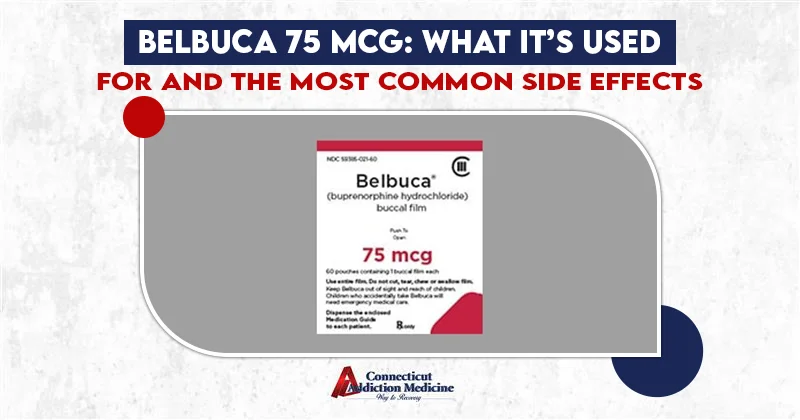
In simple terms, Belbuca is a prescription pain medication delivered through a small buccal film placed inside the cheek. Unlike traditional tablets that pass through the stomach and liver before working, this film dissolves slowly in the mouth and allows the medication to enter the bloodstream in a steady, controlled way.
Clinically speaking, the medication contains buprenorphine, a partial opioid agonist. That may sound technical, but what it means for patients is important: it provides pain relief while reducing some of the risks seen with stronger, full-agonist opioids. I often explain it by saying, “This medication is designed to help your pain without overwhelming your system.” For patients who’ve had bad experiences with other pain medications, that distinction matters a lot.
What Is Belbuca 75 mcg Used For?
Patients often lean forward at this point and ask, What is Belbuca 75 mcg used for? And the answer depends on their story.
Most commonly, this medication is prescribed for chronic pain that persists despite other treatments. These are not patients who woke up with pain yesterday. These are people who’ve tried physical therapy, over-the-counter options, lifestyle changes, and sometimes multiple prescriptions with little relief.
In practice, I’ve seen it used for long-standing back pain, joint pain, nerve-related pain, and other conditions where daily functioning is affected. The goal isn’t just reducing pain scores—it’s helping patients sleep better, move more comfortably, and participate in life again. That’s always the benchmark we use when deciding whether a medication is truly helping.
Understanding the Belbuca Film 75 mcg Delivery System
One of the reasons patients do well on this medication is how it’s taken. The Belbuca film 75 mcg is placed on the inside of the cheek, where it dissolves over time. No swallowing. No chewing. Just allowing it to rest and release medication slowly.
From a clinical standpoint, this delivery method avoids sharp spikes in medication levels. From a patient’s perspective, it often feels gentler and more predictable. I’ve had patients tell me they prefer this method because it doesn’t feel like taking “another pill” and doesn’t upset their stomach the way some oral medications can.
Belbuca 75 mcg: Best Way to Use It Safely and Effectively
When discussing the best way to use Belbuca, I usually slow down and go step by step. Small details matter here. The buccal region, inside of cheek, should not be moist or wet. The film should be placed correctly that it stays there until gets dissolved. Eating or drinking too soon can interfere with absorption.
From experience, patients who treat this part of the routine seriously tend to get better results. I often say, “Think of this as a daily ritual, not something to rush through.” That mindset helps prevent mistakes and sets expectations for steady, long-term improvement rather than immediate relief.
Most Common Belbuca 75 mcg Side Effects
Every medication has potential side effects, and this conversation is never skipped. The most frequently reported Belbuca 75 mcg side effects include nausea, constipation, headache, dizziness, and dry mouth. In many cases, these appear early and fade as the body adjusts.
That adjustment period is something I prepare patients for. I tell them, “Your body needs a little time to learn this medication.” We monitor closely, especially during the first few weeks, to make sure side effects don’t outweigh benefits.
Less common side effects—such as excessive sedation or breathing changes—are rare when the medication is used correctly, but they are taken seriously. That’s why regular follow-up and honest communication are essential.
Is Belbuca Safe for Long-Term Use?
From the perspective of safety, the unique property of buprenorphine when it is prescribed accurately makes it safer than other traditional opioids. This active medicine has a certain limit upto which it effects breathing, hence lowering the risk of overdose.
Still, I remind patients that “safer” does not mean “risk-free.” Alcohol, unapproved medications, or misuse can change the safety profile entirely. That’s why we keep conversations open and judgment-free—so patients feel comfortable sharing concerns before they become problems.
Final Words From CT Addiction Medicine
I often end these conversations by reminding patients that pain management is not about silence or sedation—it’s about function and dignity. Belbuca 75 mcg can be one tool in a larger care plan, and when used thoughtfully, it helps many patients regain a sense of control over their daily lives.
If you’re considering this medication, your questions matter. Your concerns matter. And your experience matters more than any prescription ever will.
Frequently Asked Questions
Q:How quickly does Belbuca start working?
Some relief may be noticed within the first day, but steady benefits usually build over several days.
Q:Can I drive while using this medication?
Most patients can, once they know how the medication affects them. Initial caution is advised.
Q:Is it okay to stop suddenly?
No—always talk to your provider first to avoid withdrawal symptoms.
Q:Does this medication treat addiction?
Buprenorphine is used in addiction treatment but this formulation is only prescribed for the pain management.
Q:What if I experience side effects?
Report them promptly. Adjustments can often be made.
Q:Will I need dose increases?
Not always. Many patients remain stable on low doses long term.