
Table of Contents
It usually doesn’t start with a medication. It starts with a moment, sometimes quiet, sometimes overwhelming, where someone realizes things are overwhelming, the same way. For some, it’s after a difficult withdrawal. For others, it’s after one too many attempts to quit on their own. At CT Addiction Medicine, we hear these stories often. And somewhere in that conversation, a question comes up: what is Suboxone, and could it actually help?
This guide isn’t just about explaining a medication. It’s about understanding where it fits in real life how it works, who it’s for, and what to expect ilife,meone chooses this path.
Understanding the Basics (Without the Medical Overload)
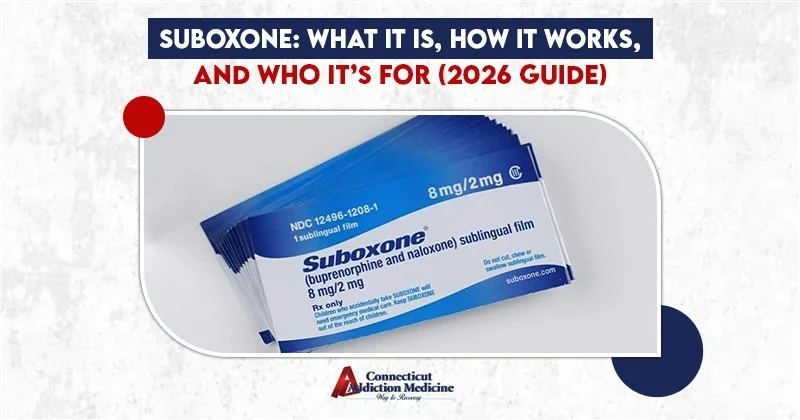
Before anything else, it helps to keep things simple. It is a medication used in the treatment of opioid dependence. It’s not a cure, and it’s not a quick fix, but it’s a tool. One that helps stabilize the body so recovery can actually begin. It contains two components: buprenorphine and naloxone. Buprenorphine works by partially activating opioid receptors in the brain. Naloxone is included to prevent misuse. They create a balance when combined, and this balance acts to reduce cravings along with the symptoms of withdrawal without producing the same response as full opioids. The answer is simple when people ask, “What is Suboxone used for?” It is a safer medicine used to support individuals who want to escape from opioid dependence in a more controlled way.
How It Works in the Brain (And Why That Matters)
To understand why this medication works, you have to look at what opioids do to the brain. Opioids bind to specific receptors and create a strong sense of relief or euphoria. Over time, the brain adapts. It begins to depend on that stimulation just to feel normal.
Suboxone steps into that same system but differently. Instead of fully activating those receptors, it partially activates them. That means it satisfies the brain enough to prevent withdrawal, but not enough to create the same intense effect. It acts to reduce the high and low patterns; that is why it becomes a useful treatment. At CT Addiction Medicine, this is often how we explain it to patients: it gives your brain space to stabilize so you can focus on recovery instead of constantly managing cravings.
Is It an Opioid? And Is It Addictive?
This is where things can feel confusing. Technically, this medicine contains buprenorphine, which is a partial opioid. So yes, it interacts with the same receptors. But that doesn’t mean it behaves the same way as substances like heroin or oxycodone. It has what’s called a
“ceiling effect.” After a certain dose, its effects level off. As compared to full opioids, this reduces the chances of misuse, making it safer. Despite the safety, it is still necessary to be supervised by a healthcare professional. People often ask whether it’s addictive. The more accurate way to look at it is this: the body can become dependent on it, but when used correctly, it’s part of a controlled treatment plan not a cycle of misuse. That distinction matters.
Who It’s Actually For (And Who It Might Not Be For)
Not everyone who struggles with opioids will need the same approach. Suboxone is typically recommended for individuals dealing with opioid dependence who are ready to engage in treatment. That doesn’t mean they have to be completely stable but they do need to be open to a structured plan. It’s often used as part of medication-assisted treatment (MAT), which combines medication with counseling and behavioral support. Istable,not be suitable in some cases, likewise, for some medical conditions where any other treatment seems an appropriate option. This is why thorough evaluation matters. At CT Addiction Medicine, treatment decisions are rarely one-size-fits-all. The focus is always on what works for the individual.
Treatment Costs Explained
This is where most people lean forward during the appointment and say, “Okay… but how much does this cost?”
The treatment costs vary depending on:
- Initial intake visit
- Follow-up frequency
- Medication cost
- Telehealth vs in-person visits
- Whether insurance is used
- Lab testing requirements
- Counseling options
Estimated Cost Breakdown
- Initial assessment: $150–$350
- Follow-up visits: $75–$200
- Medication cost: $50–$200 depending on dosage
- Lab tests: varies
Some individuals search online for “Suboxone Treatment Costs” because prices differ across cities. The best practice is always to call your clinic directly for exact pricing.
Suboxone vs Methadone (A Conversation That Comes Up Often)
This comparison happens a lot. Methadone has been used for decades and is highly effective. It’s a full opioid agonist, which means it fully activates receptors. That can make it powerful—but also requires stricter regulation. Suboxone, on the other hand, offers more flexibility. It keeps patients from visiting clinics daily, as this medicine can be prescribed primarily in outpatient settings. For many people, that makes a big difference in maintaining work, family life, and routine. So which is better? It depends. Some individuals respond better to one than the other. The decision usually comes down to medical history, lifestyle, and treatment goals—not just preference.
How Long It Stays in the System
This is one of those questions that doesn’t have a single answer. It takes 24-42 hours for the buprenorphine to leave the body (buprenorphine half-life). This long half-life of buprenorphine makes it provide sustainable relief from symptoms and change in dosing under expert supervision. Suboxone has a relatively long half-life, which means it stays in the body longer than many other substances. This is actually part of its benefit—it allows for stable dosing without constant fluctuations. In general, it can remain in the system for several days, sometimes longer depending on factors like metabolism, dosage, and duration of use. From a treatment perspective, this stability helps reduce the urgency of cravings and withdrawal symptoms. It creates consistency, which is something many patients haven’t experienced in a long time.
Starting the Treatment (What It Actually Feels Like)
Starting isn’t always easy. There’s usually a period of waiting before the first dose—patients need to be in mild withdrawal to avoid complications. That part can feel uncomfortable, but it’s temporary. Once treatment begins, the goal is to find the right balance. The dosage for beginners is typically adjusted carefully. Too little may not control symptoms. Too much isn’t necessary. It’s a process of finding what works for the individual. At CT Addiction Medicine, this phase is closely monitored. It is totally about ensuring a manageable transition, not just about the medication.
Side Effects and What to Expect
No medication is completely without side effects. The topic of Suboxone side effects usually comes up early in treatment conversations. Common ones can include headaches, nausea, constipation, or mild sleep disturbances. Most of these are manageable and often improve over time. Communication is what matters the most. Patients who stay in touch with their provider tend to adjust more smoothly because changes can be made early if something doesn’t feel right. Most side effects are mild:
- Headache
- Constipation
- Nausea
- Fatigue
- Sweating
- Long-term, Suboxone is considered safe when managed properly.
Risks When Misused
- Respiratory depression when mixed with sedatives
- Dependence if abruptly stopped
- Precipitated withdrawal if taken too early
Providers emphasize, “Always talk to us before making any changes to your dose.”
Withdrawal and What Happens If You Stop
This is something people don’t always think about at the beginning. If it is stopped suddenly, withdrawal symptoms can occur. These may include restlessness, muscle aches, insomnia, and mood changes. The timeline varies. Some symptoms begin within a couple of days and can last for a week or more, depending on how long the medication was used. That’s why tapering—gradually reducing the dose is usually recommended.
At CT Addiction Medicine, stopping treatment is approached just as carefully as starting it.
Withdrawal Timeline (Day-by-Day)
- Days 1–3: Early symptoms begin — anxiety, cravings, mild body aches. Hydration and rest are essential.
- Days 4–7: Symptoms often peak during this period.
- At weeks 2-4: Symptoms begin to reduce
- After weeks 4- 7: Significant improvement is seen with emotional worries
Side Effects of Withdrawal
- Muscle pain and twitching
- Irregular sleep pattern
- Change in behavioral pattern
- Anxiety and discomfort
Can It Help with Chronic Pain?
The withdrawal timeline symptoms vary from person to person.
This is a more nuanced area. Because of how it interacts with opioid receptors, Suboxone can provide some level of pain relief. However, it’s not typically the first-line treatment for chronic pain. In some cases—especially when pain and opioid dependence overlap—it may serve both purposes. But this decision always requires careful evaluation. Pain management and addiction treatment are closely related, but they’re not identical.
How to Get a Prescription and Start the Process
For many people, this is where things feel uncertain. Searching for phrases like Suboxone clinic near me” is often the first step. It leads to clinics, providers, and sometimes more questions than answers. To start treatment, you need a qualified provider who is authorized to prescribe it. This usually involves an evaluation, discussion of medical history, and a treatment plan. The idea of “doctors near me” isn’t just about location—it’s about finding someone experienced, someone who understands both the clinical and personal sides of recovery. At CT Addiction Medicine, the goal is to make this step feel less overwhelming and more like a structured beginning. Obtaining Suboxone is a structured medical process. Here’s the exact roadmap:
- Schedule Evaluation: You cannot legally obtain medication without an assessment.
- Confirm Opioid Dependence: We must document medical necessity to keep treatment safe and compliant.
- Enter Withdrawal: Induction begins only when withdrawal symptoms appear to prevent precipitated withdrawal.
- Begin First Dose Under Guidance: We instruct patients precisely to avoid complications.
- Phase of stability: Different factors are evaluated, such as triggers, cravings, symptoms, and side effects, to adjust the dosage.
- Phase of maintenance: Patients receive consistent follow-ups monthly, relapse monitoring, and support for counseling after receiving stabilization.
Final Thoughts
At the beginning, most people focus on the medication. But over time, something shifts.
They realize that Suboxone isn’t the entire solution—it’s part of a larger process. A way to create stability so other parts of life can start to rebuild. Recovery doesn’t happen all at once. It happens in small steps. Better sleep. Clearer thinking. More consistent days. And slowly, those days start to add up. At CT Addiction Medicine, that’s what we try to support—not just treatment, but progress that feels real and sustainable.
FAQs
1. What is Suboxone used for?
It is a safe choice for those individuals who want to reduce opioid cravings, dependence, and the symptoms of withdrawal.
2. Is it addictive or safe?
It can cause dependence, but when used under medical supervision, it is considered safe and effective.
3. How long does it stay in your system?
It can remain in the body for several days, depending on dosage and individual factors.
4. Can this medicine be used for pain?
In some cases, yes—but it is primarily used for opioid addiction treatment.
5. How do I start treatment?
Consult a medical professional handling this treatment. Upon assessing the health condition, they can prescribe it appropriately.
6. What happens if I stop taking it suddenly?
It may cause withdrawal symptoms, so dose tapering under medical supervision is recommended in that case.