
Addiction currently presents one of the greatest challenges to global health. Many addicted patients are in need of assistance to quit using drugs or alcohol and gain control of their lives by finding therapies that will restore their abilities to function as productive members of society.
As public interest increases, researchers, physicians, and specialists who assist patients in getting clean or sober have begun to examine ibogaine as a potential therapy for breaking the cycle of addiction and helping patients break the cycle of addiction.
Although ibogaine is not considered a standard treatment, many people report that they have experienced remarkable improvements through the use of ibogaine in therapy, which makes the interest around ibogaine continue to grow.
CT Addiction Treatment provides patients with individualized treatment plans, medical treatment, and long-term support to enable them to achieve successful recovery.
What Is Ibogaine?
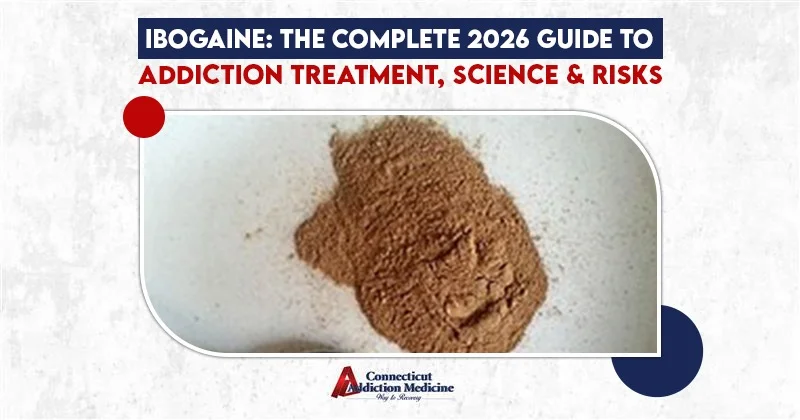
One naturally occurring psychoactive substance from the root bark of the Tabernanthe iboga plant (which primarily grows in Central Africa) has historically been used for spiritual and medicinal purposes.
Current studies of ibogaine in medical and addiction research focus on how ibogaine may affect the brain’s reward center.
There is evidence that ibogaine affects several different neurotransmitter systems in the brain, including the dopamine, serotonin, and glutamate systems; all of which influence addiction and craving.
What Is Ibogaine Treatment?
Ibogaine treatment is typically administered by a clinician under medical supervision in a safe environment. Patients that are trying to end their substance abuse of opioids, alcohol, or stimulants are treated with ibogaine to assist them.
Patients are usually medically screened prior to therapy using ibogaine. During this screening, a physician will consider the patient’s medical history, heart performance, medications, and physical well-being overall.
Screening is an essential procedure as ibogaine may cause a disruption in the patient’s rhythm as well as other parts of the body.
The ibogaine treatment session itself usually takes multiple hours to complete. While receiving ibogaine therapy, patients may have psychological effects such as memory flashbacks of previous events and emotions associated with those memories.
Many researchers have theorized that the resulting psychological experience may provide insight into the origins of the patient’s substance use disorder.
What is Ibogaine used for?
People often use ibogaine to treat their opioid dependency; i.e., there are a number of people who claim that ibogaine reduced their withdrawal symptoms and cravings. This possible benefit has generated interest among scientists researching other possible treatment alternatives for opiate addiction.
Although early evidence suggests that ibogaine can provide some disruption to an individual’s pattern of compulsive drug seeking/using, additional. research is required.
Several studies assessing the use or ibogaine as an option for treating alcohol dependence also exist; many patients report having received psychological insight into their relationship with alcohol upon completing an ibogaine treatment regimen.
How Ibogaine Affects the Brain
To comprehend the reasons why researchers will be investigating ibogaine, one must look at how ibogaine will affect the brain. Unlike many substances, ibogaine works with several different neural pathways at once.
One thought is that ibogaine impacts the dopamine pathway. The dopamine pathway is linked closely to the experience of reward and pleasure, which usually is altered by many drugs. Therefore, through affecting the dopamine pathway, ibogaine treatment can decrease drug-seeking and drug-craving behavior.
When ibogaine is used as a treatment, it usually will involve deep reflection. Many patients revisit memories and emotions they have had in the past. Many of these may provide clues for why someone may choose to use drugs; for example, experiencing unresolved trauma.
There is ongoing exploration of ibogaine treatment, as well as further understanding of the neurological effects of ibogaine, and the long-term outcomes of this treatment.
Conclusion
Patients who are looking for treatment options should familiarize themselves with ibogaine and the role it may play in treating addiction.
As research continues to investigate how ibogaine affects the brain and addiction-related systems, there is a greater need for information on what ibogaine is, as well as how ibogaine is being used in the treatment process.
While certain users have claimed to gain benefit from using ibogaine for addiction, it is still imperative for them to note that it can have negative side effects when not medically supervised.
For this reason, it is critical that patients who are currently exploring where to get ibogaine treatment evaluate all ibogaine treatment centers carefully for safe operations, accurate screening methods, and licensed professionals.
CT Addiction Medicine provides nurturing, individualized care that can help with each step of the addiction recovery journey.
FAQs
What is ibogaine?
Ibogaine is a psychoactive compound derived from a Central African plant and studied for its potential role in addiction treatment.
What is ibogaine treatment?
It refers to a supervised therapy in which ibogaine is administered in a controlled medical setting. The goal of ibogaine treatment is to help reduce withdrawal symptoms and cravings during addiction recovery.
What is ibogaine used for?
Researchers study ibogaine primarily for opioid, alcohol, and stimulant addiction, although more scientific research is still needed.