
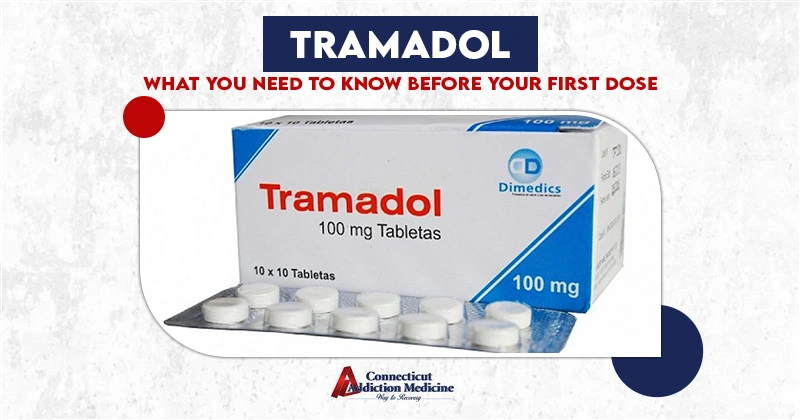
Tramadol is widely prescribed to patients suffering from moderate to severe pain. Many patients have limited knowledge regarding the effects of tramadol, possible side effects, and instructions for the correct usage of the medication.
Before taking your initial dose of tramadol, you need to understand the effects on both your mental health and physical health, as well as tips for safely using this medication.
When used responsibly, this medicine can help manage pain, but when misused, it can lead to complications.
CT Addiction Medicine works every day to help patients use pain medications safely while preventing dependency and long-term harm.
What Is Tramadol?
Tramadol is a prescription pain medication used to treat moderate to moderately severe pain. It belongs to a class of drugs called opioid analgesics.
Although it is not as strong as many other opioids, it still works on the brain’s opioid receptors. This means it changes how your body feels and responds to pain.
Doctors commonly prescribe tramadol after surgeries, injuries, or chronic conditions like arthritis. It comes in two forms:
- Immediate-release tablets (work quickly)
- Extended-release tablets (work slowly over time)
Even though it is considered a “weaker” opioid, its effects can still be powerful. You must always take it exactly as your doctor tells you.
How Tramadol Works Inside Your Body
Tramadol works by binding to opioid receptors in the brain. When this happens, pain signals are blocked or reduced.
- It increases serotonin and norepinephrine levels, which also help reduce pain.
- Immediate-release works in about an hour.
- Extended-release works gradually throughout the day.
Why Doctors Prescribe Tramadol
Some common reasons include:
- Post-surgical pain
- Chronic musculoskeletal pain
- Neuropathic pain
- Injuries or trauma
- Short-term pain following dental procedures
Common Tramadol Side Affects You Should Know
Common Side Effects
- Nausea
- Dizziness
- Constipation
- Headache
- Dry mouth
- Sweating
Less Common but Serious Side Effects
- Slow breathing
- Severe drowsiness
- Confusion
- Seizures
- Serotonin syndrome (rare but dangerous)
Does Tramadol Make You Sleepy?
The short answer is yes, it often does.
Why It Causes Sleepiness
- It slows down the central nervous system.
- It affects brain chemicals linked to alertness.
- It relaxes the muscles and reduces sensory activity.
Who Is More Likely to Feel Sleepy?
- First-time users
- Older adults
- People mixing it with alcohol
- People taking antidepressants
- People with liver or kidney problems
Is Tramadol Addictive?
Why Tramadol Can Cause Dependence
- It activates opioid receptors.
- Regular use changes brain chemistry.
- Stopping suddenly can lead to withdrawal symptoms.
Risk Factors for Addiction
- Taking higher doses than prescribed
- Using it for long periods
- History of addiction
- Mixing drugs or alcohol
- Using it without medical supervision
How to Take Tramadol Safely?
Follow Your Prescription Exactly
Never increase your dose without approval.
Don’t Mix It with Alcohol
Alcohol increases drowsiness and overdose risk.
Avoid Driving
Especially for the first few doses.
Check for Drug Interactions
Antidepressants, anti-anxiety drugs, and sleeping pills can be dangerous when combined.
Never Crush or Break Extended-Release Tablets
They must dissolve slowly.
Symptoms of Tramadol Misuse
Watch for these warning signs:
- Using more than prescribed
- Taking it “just in case”
- Feeling high or euphoric
- Craving the medication
- Hiding use from family
- Feeling withdrawal when skipping a dose
Who Should Avoid Tramadol?
Avoid if You Have:
- Severe asthma
- Breathing disorders
- History of seizures
- Liver or kidney failure
- Allergy to opioids
Use with Caution If:
- You’re pregnant
- You’re breastfeeding
- You’re over age 65
- You take antidepressants
Managing Pain Without Relying on Tramadol
Sometimes medication is necessary.
But many people also use:
- Physical therapy
- Stretching
- Heat therapy
- Cold packs
- Anti-inflammatory diets
- Massage
- Mindfulness exercises
Warnings About Mixing Medications
Avoid These Combinations
- Benzodiazepines
- Sleeping pills
- Alcohol
- Antihistamines
- Muscle relaxants
Mixing them increases sedation and overdose risk.
Possible Withdrawal Symptoms
If someone has been using tramadol for a long time and suddenly stops, they may experience:
- Anxiety
- Sweating
- Nausea
- Shaking
- Restlessness
- Fast heartbeat
Never stop it suddenly without medical help. CT Addiction Medicine supports safe tapering plans.
Final Words
Before you take your first dose of tramadol, remember that knowledge is your safest tool. This medication is very helpful for managing pain.
You should always adhere to your doctor’s recommendations and instructions when it comes to taking your medications.
Mixing different types of medications and/or consuming alcohol with your medications should always be avoided.
Without consulting with your doctor first, don’t increase or decrease the recommended dosage of your prescribed medications
If you are experiencing any unusual symptoms or pain, be sure to report them to your doctor immediately. It’s essential to treat pain, however, your safety is a priority.
CT Addiction Medicine guides you through safe usage, tapering, and long-term pain management solutions so you never feel alone in the process.
FAQs
Q:Is tramadol safe for first-time users?
Yes, when prescribed properly.
Q:What is the main purpose of tramadol?
For moderate to moderately severe pain.
Q:Does tramadol make you sleepy?
Yes, it often causes drowsiness.
Q:What are common tramadol side effects?
Nausea, dizziness, and constipation.
Q:Is tramadol addictive?
Yes, especially with long-term or high-dose use.
Q:Can I drink alcohol while taking it?
No. It increases sedation and risk of overdose.